Skip to content
Answer

Is solar worth it in Scotland in 2026?

Yes, solar panels are worth it for many Scottish homes. They generate electricity from daylight rather than heat, work in overcast conditions, and long summer days from May to July give extended generation hours. Whether solar makes financial sense for you depends on your roof direction, how much electricity you use during the day, whether a battery helps, and how you choose to pay.

Quick answer

Yes, solar panels are worth it for many Scottish homes. They generate electricity from daylight (not heat), work in overcast conditions, and long summer days boost output. Worth depends on your roof direction, usage, whether a battery helps, and how you pay. A written, no-obligation quote from an MCS-certified partner tells you what to expect for your home.

Last updated: Reviewed by the Scottish Energy Efficiency team

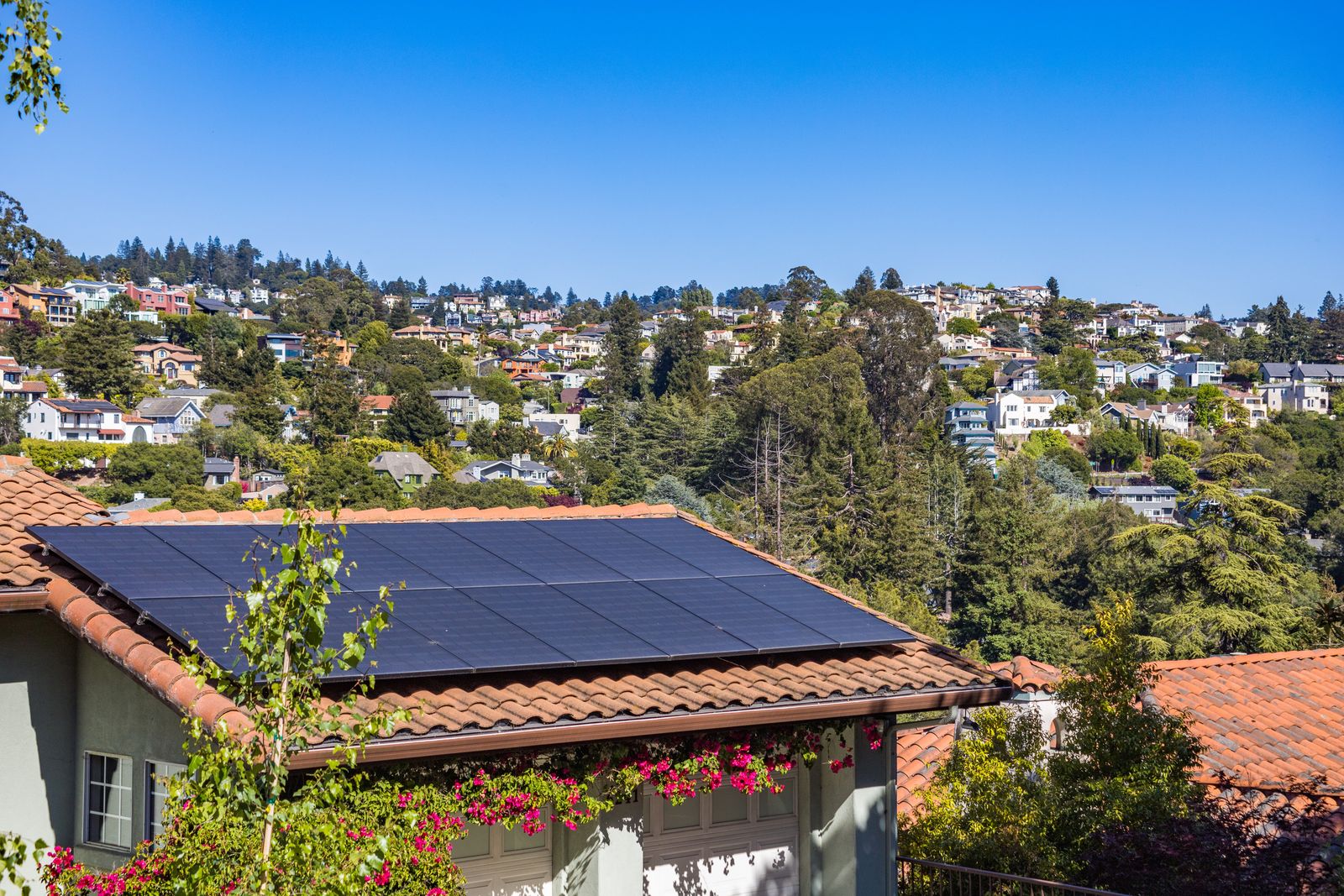
Solar panels on a UK suburban home under a bright sky

Do solar panels work in the Scottish climate?

Yes. Solar panels respond to daylight, not heat, so they generate on bright overcast days as well as sunny ones. Scottish homes benefit from very long daylight hours in summer, which offsets shorter winter days. Output depends on roof direction, pitch and shading, which your installer partner measures at the survey.

A south-facing roof gives the highest annual output, but east-west splits spread generation across the day and work well too. Your installer partner models your specific roof during the survey rather than relying on regional averages, so you see realistic figures for your home.

What makes solar worth it for a Scottish home?

The main factors are your roof direction and pitch, how much electricity you use during the day, whether a battery would help, and how you pay for the system.

If you use electricity during the day — working from home, for example — you use more of your own generation and buy less from the grid. A battery extends that benefit into the evening. Your written quote sets out the expected output and cost so you can decide based on your home, not generic averages.

Does a battery make solar more worth it?

A battery lets you use daytime generation in the evening, when household demand is usually highest. Whether it makes sense depends on when you use electricity and your tariff.

Some tariffs reward off-peak charging, which a battery can also take advantage of. Your installer partner reviews your usage pattern and tariff during the survey, and recommends a battery size only if it suits your home. You can also add a battery later.

How long do solar panels last?

Solar panels typically come with a 25-year performance warranty from the manufacturer. Inverters usually have a shorter warranty and may need replacing during the panel lifetime.

Your written quote sets out every warranty term — panels, inverter and any battery — so you know exactly what is covered, for how long, and who to contact if something goes wrong. See our guarantees page for more detail.

Last updated:

For more answers, see our FAQ page, how it works and solar panels guides. You can also read more answers from Scottish Energy Efficiency.

Get your free quote

Prefer to talk? Call 0141 230 0198

Privacy Policy · Cookie Policy

No obligation · We install through MCS-certified partners · Scottish homes and businesses

Good to know

Key facts for Scotland

  • Solar panels generate electricity from daylight rather than heat, so they work in the Scottish climate, with the highest output from spring to late summer.
  • Roof-mounted solar on most homes in Scotland is permitted development, but listed buildings and some conservation areas need consent, so check with your local council.
  • Your installer partner notifies the local network operator: SP Energy Networks in central and southern Scotland, or Scottish and Southern Electricity Networks in the north.
  • Under the Smart Export Guarantee, larger electricity suppliers must offer a tariff for the electricity you export, with rates set by each supplier.
  • Battery storage lets you use daytime solar generation in the evening, when household demand is usually highest.

Last updated:

Common questions

Frequently asked questions

Do solar panels work in the Scottish climate?

Yes. Solar panels generate from daylight, not heat, so they work in overcast conditions. Long Scottish summer days from May to July boost output. Your installer partner models your specific roof during the survey rather than relying on regional averages.

What makes solar worth it for a Scottish home?

The main factors are your roof direction and pitch, how much electricity you use during the day, whether a battery would help you use more of your own generation, and how you pay. A written, no-obligation quote sets out the expected output and cost for your home.

Does a battery make solar more worth it?

A battery lets you use daytime generation in the evening, when household demand is usually highest. Whether it makes sense depends on when you use electricity and your tariff. Your installer partner reviews this during the survey.

How long do solar panels last in Scotland?

Solar panels typically come with a 25-year performance warranty from the manufacturer. Inverters usually have a shorter warranty and may need replacing during the panel lifetime. Your quote sets out every warranty term in writing.

Can I be paid for electricity I export in Scotland?

Under the Smart Export Guarantee, larger electricity suppliers must offer a tariff for exported electricity. Rates are set by each supplier, so compare them directly. An MCS-certified installation is usually required.

Ready when you are

Get a written, no-obligation quote for your home

Tell us a little about your property and an MCS-certified installer partner will arrange a survey. Interest-free credit up to £30,000, subject to status.