Survey
Roof, shading, electrics and meter position are checked by an MCS-certified installer partner.
Independent guidance for cleaner energy across Scotland
What an installation through our MCS-certified partners involves, from survey to aftercare.
Quick answer
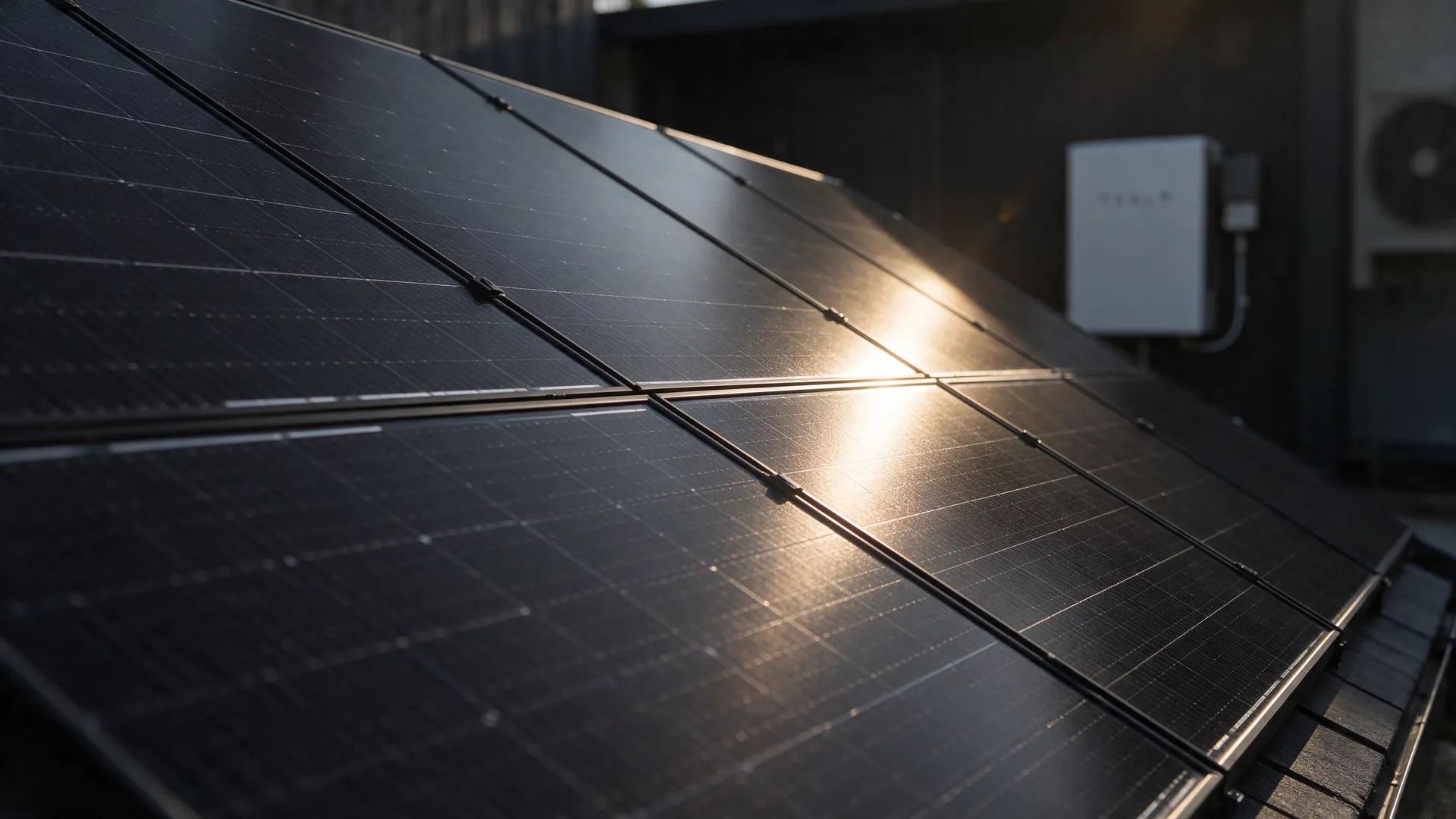
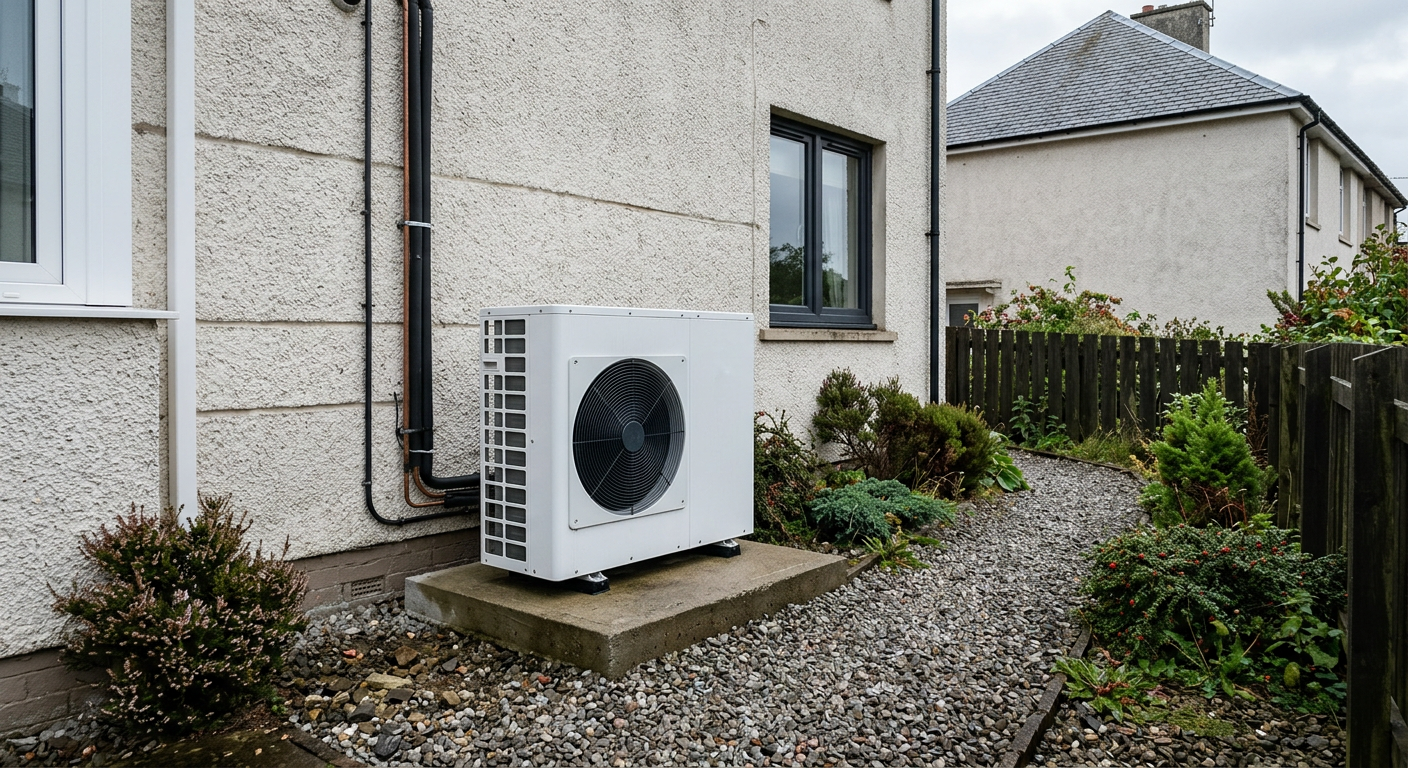
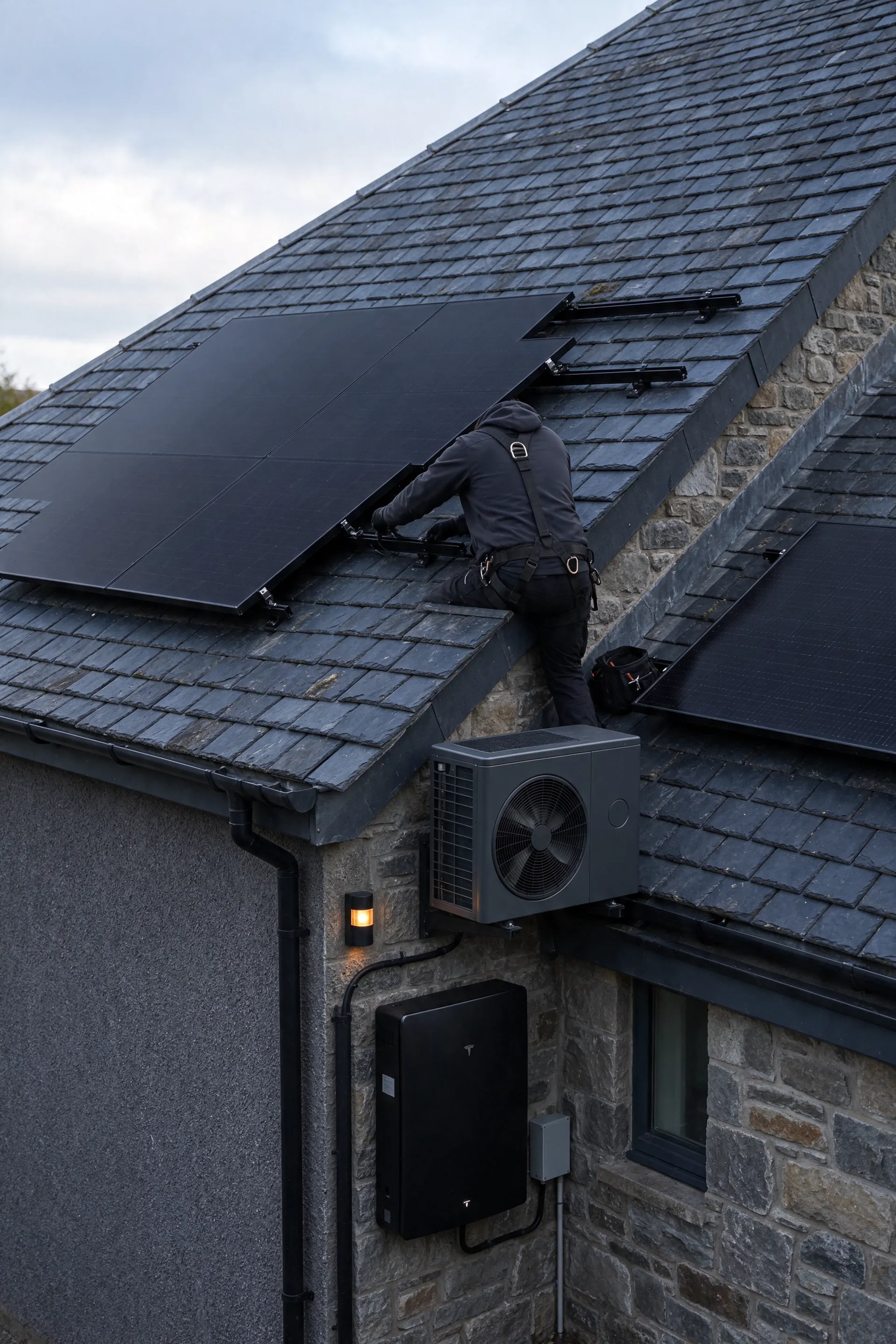
Our installer partners fit solar panels, batteries, heat pumps and boilers in homes across Scotland, from city terraces to rural cottages. This page explains what a typical installation involves at each stage. The photographs are illustrative and are not presented as specific jobs. Ask your partner for references from local customers.
Last updated: Reviewed by the Scottish Energy Efficiency team
Roof, shading, electrics and meter position are checked by an MCS-certified installer partner.
You receive a system design and a written, no-obligation quote for your home.
Your partner submits the G98 or G99 notification to SP Energy Networks or SSEN.
Scaffolding, panels, inverter and any battery are fitted and tested.
The system is commissioned and explained, and you receive your documents.
Manufacturer warranties and partner support continue after installation.
Photos are illustrative examples of each type of system, not specific jobs.
Last updated:
Each installation starts with a survey, followed by a written design and quote. Your installer partner then fits the panels, inverter and any battery, tests the system, notifies the network operator and hands over documents explaining how to monitor generation and who to contact for aftercare.
Most home solar installations are completed within one to three days once scaffolding is up, depending on roof size, access and whether a battery is included. Your installer partner confirms the expected timescale in your written quote, so you can plan around the work.
We install through MCS-certified partners who work across Scotland. They carry out the survey, design, installation, commissioning and registration. We stay involved as your point of contact, so if you have a question at any stage you can speak to us directly.
Tell us a little about your property and an MCS-certified installer partner will arrange a survey. Interest-free credit up to £30,000, subject to status.